
Seams We Read Before We Read the Label
The outside of a garment is a performance; the inside is a record. Six seams, six thirty-second tests, and a way of judging construction on the rail before a fitting room is ever required.
Category
26 articles
The outside of a garment is a performance; the inside is a record. Six seams, six thirty-second tests, and a way of judging construction on the rail before a fitting room is ever required.

A study of the hood as a garment held in reserve: how it can live inside a collar, deploy in drizzle and return without disturbing a coat's line. The notes compare packable hoods, storm collars and separate rain hats through fitting-room tests that account for spectacles, hearing and hair.
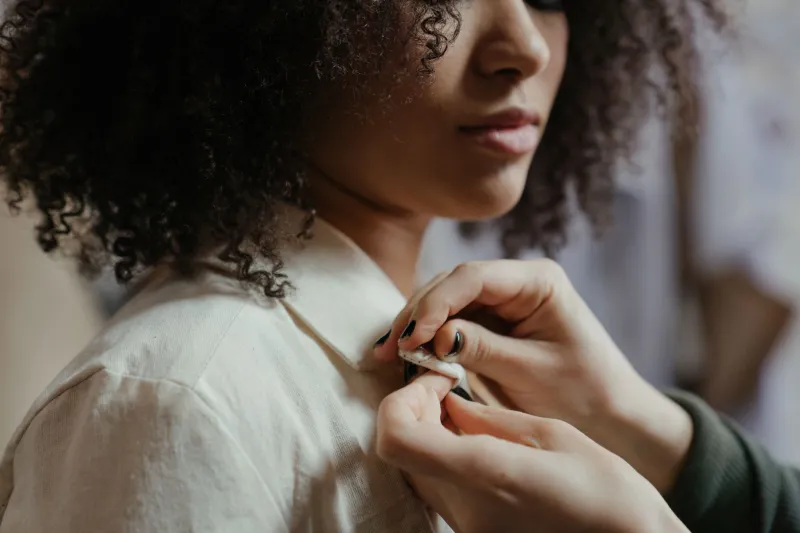
The care label is often treated as a legal afterthought, yet it sits closer to the skin than any button or seam. This studio essay argues that its placement, fibre, print method and wording deserve the same scrutiny as the cloth itself — especially in the real conditions of British laundry.

Standing before a mirror answers only part of the question. This studio note argues for the seated fitting as a structural audit, examining how waistbands, hems, rises and sleeves behave once the body folds into a train seat, desk chair or pub bench.

A skirt is judged standing still and lives in motion, and the walking vent is the small piece of engineering that reconciles the two. This studio note compares vent depths and constructions, tests them against stairs, bus steps and wet pavements, and sets out what to look for in the fitting room.
A winter coat is usually judged from the outside, but much of its daily behaviour is decided within: between lining and knitwear, skin and trapped air. This studio note treats static, slippage and sleeve room as fitting variables rather than afterthoughts, with practical guidance for a British winter wardrobe.
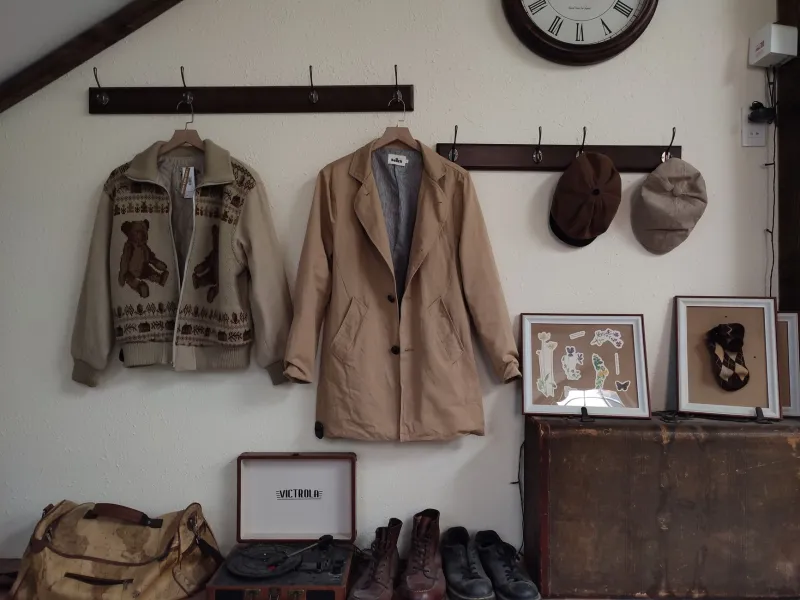
A new coat arrives compressed, chilled and marked by its journey. This studio note explains why a week on a suitable hanger, in gently moving air, allows British wool and tailored construction to settle before first wear.
The waistband is the most negotiated part of a pair of trousers, setting the terms between cloth and body across a British day. This studio note examines curve, depth, interlining and fastening, and offers fitting-room tests that look beyond the standing mirror.
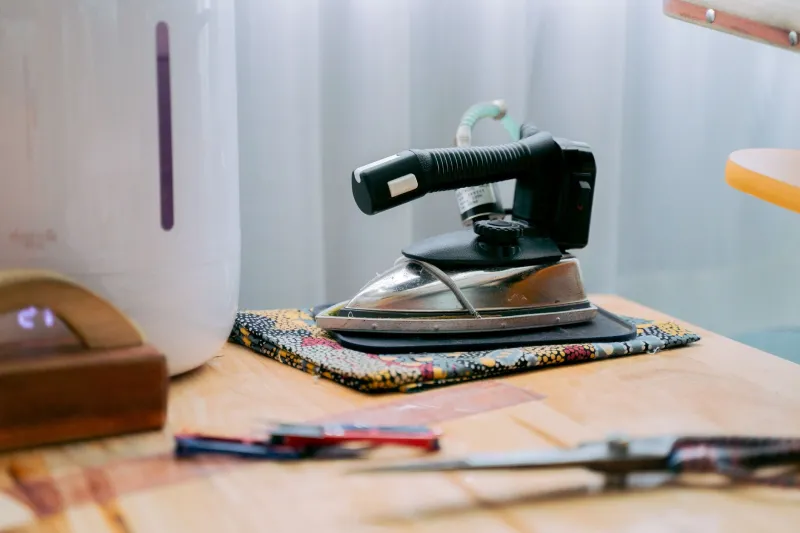
Pressing is the least photographed stage of making a garment and the one most often performed as a domestic chore. A studio account of steam, weight and rest as shaping instruments, with practical notes on the wool coat, the trouser leg, and the visible signs of a cloth that has been pressed too far.
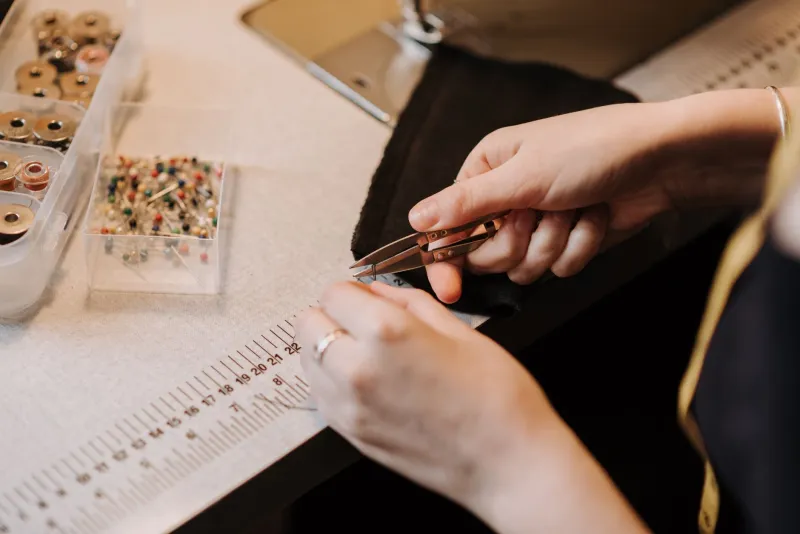
Two jackets cut from the same bolt of wool can hang as though they were made in different rooms. The difference usually lies beneath the cloth, in the tapes, canvases and fusible layers that give a jacket its quiet skeleton. This studio note considers how those hidden structures behave through a British winter, and how to judge them in the fitting room without opening a seam.
Coat sleeve length is too often judged in a standing mirror, yet a British winter is lived in motion. This studio note sets out a practical fitting method for the wrist, where gloves, knit cuffs and umbrella handles all ask for a centimetre of considered clearance.
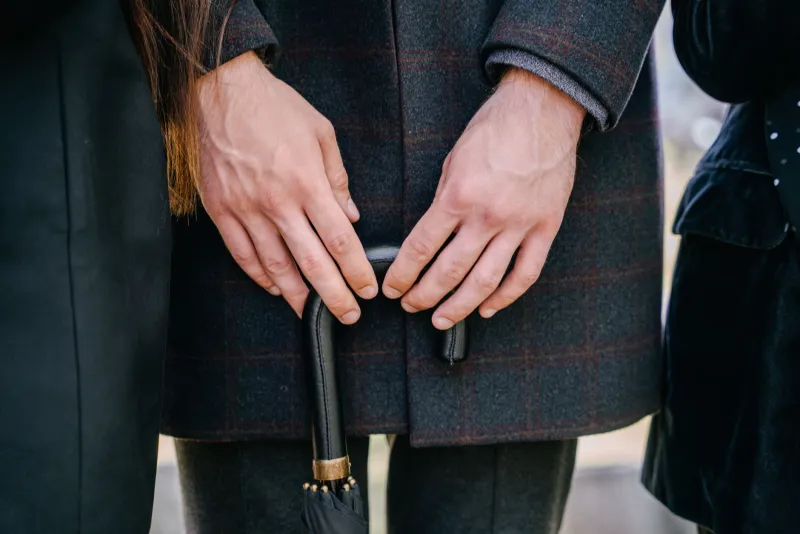
The collar is where a British coat meets the weather first. This studio guide examines stand height, notch shape, roll and throat-latch closure, with practical notes on judging the neckline in the fitting room before the cloth is allowed to persuade.

Before a mirror confirms line or colour, a garment often announces itself through sound: the dry rustle of a wool sleeve, the pitch of a zip, the swish of a lining. Listening is a practical, if neglected, part of judging cloth, movement and wearability in a British wardrobe.

Trouser length is rarely settled by the mirror alone. Judged against spray, boot shafts and the overheated interval of a British November, a hem becomes a piece of engineering as much as a matter of taste. These are notes from the studio on getting the break right before the weather has its say.
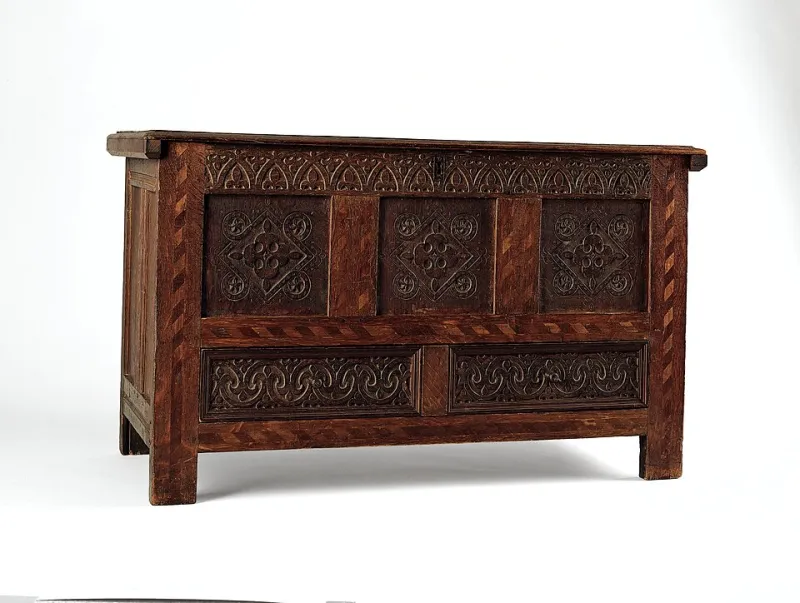
In a British house, damp air and mild winters make wool storage a year-round discipline rather than a spring ritual. A practical, opinionated guide to cedar, lavender, breathable bags and the monthly inspection that keeps cloth alive between wears.

Some cloths merely survive a British winter; a few are improved by it. This studio guide considers five fabrics that develop depth, softness and a settled surface through rain, bus seats and repeated wear — and explains how to distinguish patina from plain damage.

The collar stand is the smallest pattern piece in a shirt and the one most often overlooked in the fitting room. A studio note on band height, interlining and the way a neckline frames the face — with checks a reader can carry out without a tape measure.
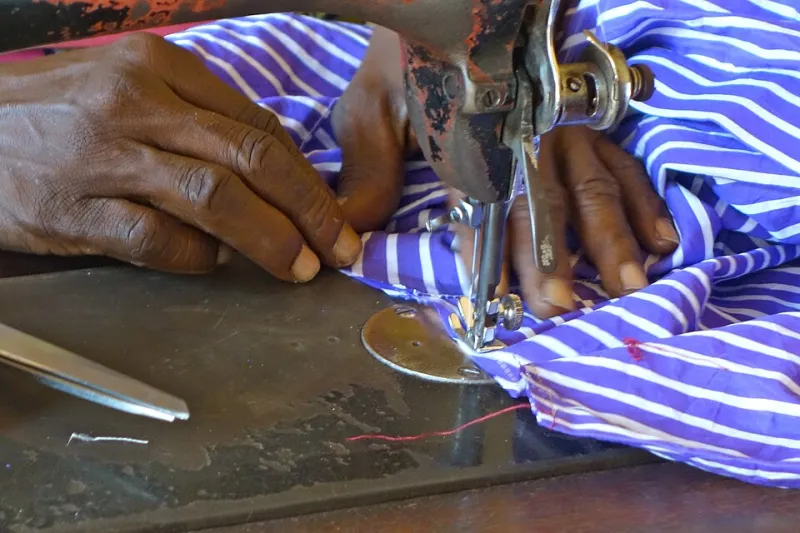
In a British jacket, the shoulder is not a decorative finish but the first structural decision a wearer feels. This article examines sleeve heads, armhole shape and the difference between a crisp tailored jacket and a softer unlined coat, with notes on what to judge in the fitting room before any alteration is agreed.
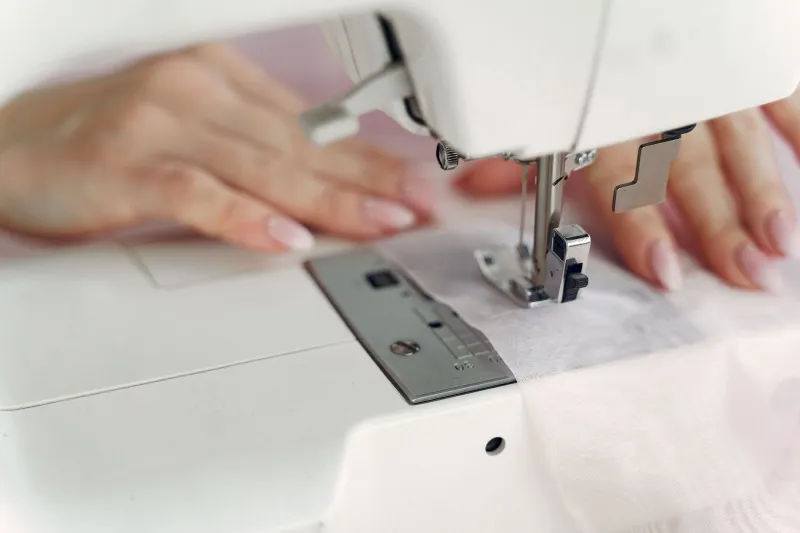
A pocket is not an accessory added after the fact; it is a small structural decision that changes how cloth hangs and how a garment is worn. This studio note examines depth, angle, bag cloth and placement across British coat and trouser archetypes, with practical calico tests for the workbench.

A coat is often chosen by its outer cloth and judged by its line, yet much of its behaviour is decided inside. This studio note considers lining fibres, slippage over knitwear, warmth, repair access and the questions worth asking before a British coat is bought.
Before the final cloth is cut, a calico toile is made to answer the questions that sketches cannot. In the studio, the mock-up is not a preliminary formality but the first honest conversation between design, body and gravity.

A navy wool can read black against a north wall and chalky by a west window in the same afternoon. These are studio notes on the direction and quality of British daylight, the simple tests that reveal what a cloth will actually do, and how to choose fabric for the rooms it will be worn and photographed in.
Two bolts can carry the same reference number and still refuse to behave as a pair. A studio note on dye lots, batch variation and the practical decisions that turn a near-match into a considered garment rather than a compromise.

A coat is rarely judged at the shoulder; it is judged at the cuff, where the button is turned over in the hand. This is a practical survey of the small British sources still supplying buttons, buckles, threads and tapes — and of the questions worth asking before any of them is sewn on.
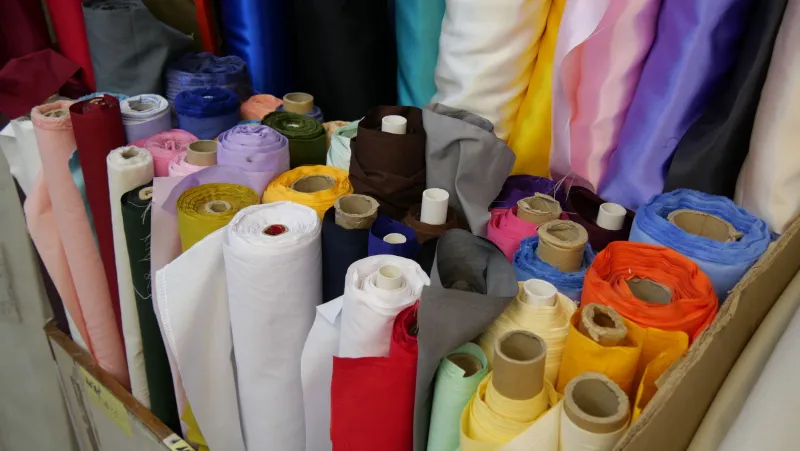
A screen can tell you a fabric's colour and little else. For cloth lovers who need to handle a bolt before committing, these six British mill shops repay a day return — with notes on what each is genuinely best for and how to shop them without losing the thread.
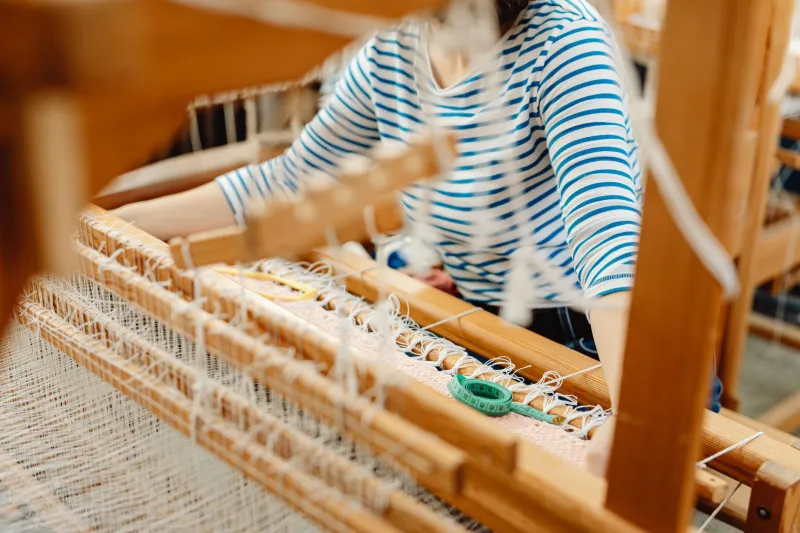
A cloth-led wardrobe begins with the textile, not the trend. These studio notes follow a mid-weight Yorkshire woollen from mill to rail, then into practical outfits and care routines for a British climate.